Capacity Building
SOFAR Programme
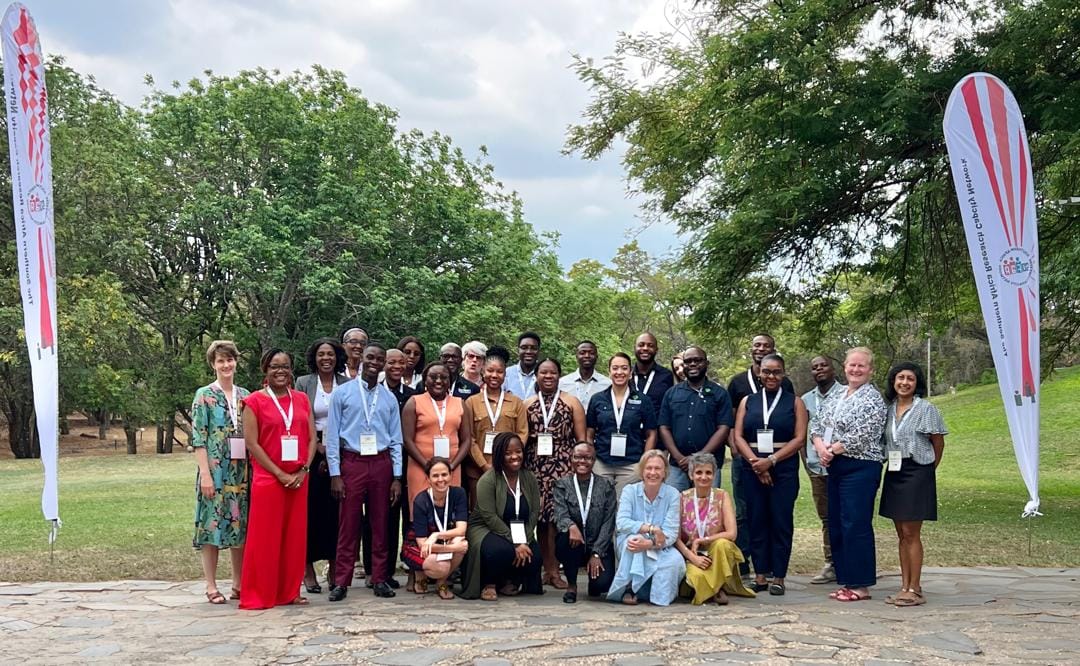
The Southern Africa Research Capacity Network strengthens research training, mentorship, and collaboration across Zimbabwe, Mozambique, and Zambia.
Learn moreBroad research encompassing priority health problems in the region, adhering to national and international ethical principles.
All kinds of research may receive BRTI support, provided that research activities adhere to national and international ethical principles, are relevant to health problems of the region, and provide opportunities for local capacity building at individual, institutional, and national levels.
Our Expertise

Community-based research on HIV using genomics, bioinformatics, and data science to analyse behavioural and biologic interventions for prevention and treatment.
Learn more
Research studies designed to answer critical questions about TB prevention, diagnosis, and treatment through clinical trials and operational research.
Learn more
Rigorous randomised controlled trials evaluating interventions for HIV, TB, and other priority health conditions across Zimbabwe.
Learn more
Health system strengthening research led by the Centre for International Health and Policy to generate evidence for policy and performance improvement.
Learn more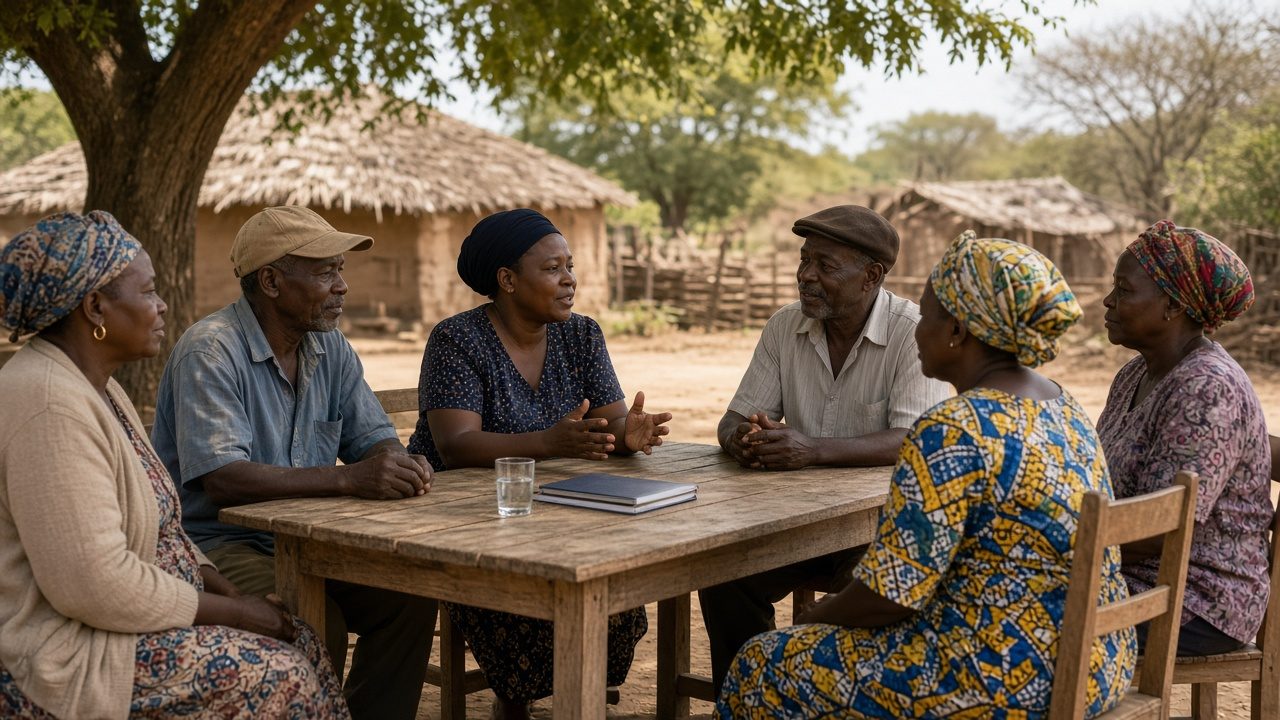
Qualitative and mixed-methods research on health behaviours, diagnostics acceptance, and ethical issues in health research.
Learn more
Genetic and molecular studies including genotyping, molecular epidemiology, and research into the emergence and spread of antimicrobial resistance.
Learn morePortfolio
The Southern Africa Research Capacity Network strengthens research training, mentorship, and collaboration across Zimbabwe, Mozambique, and Zambia.
Learn more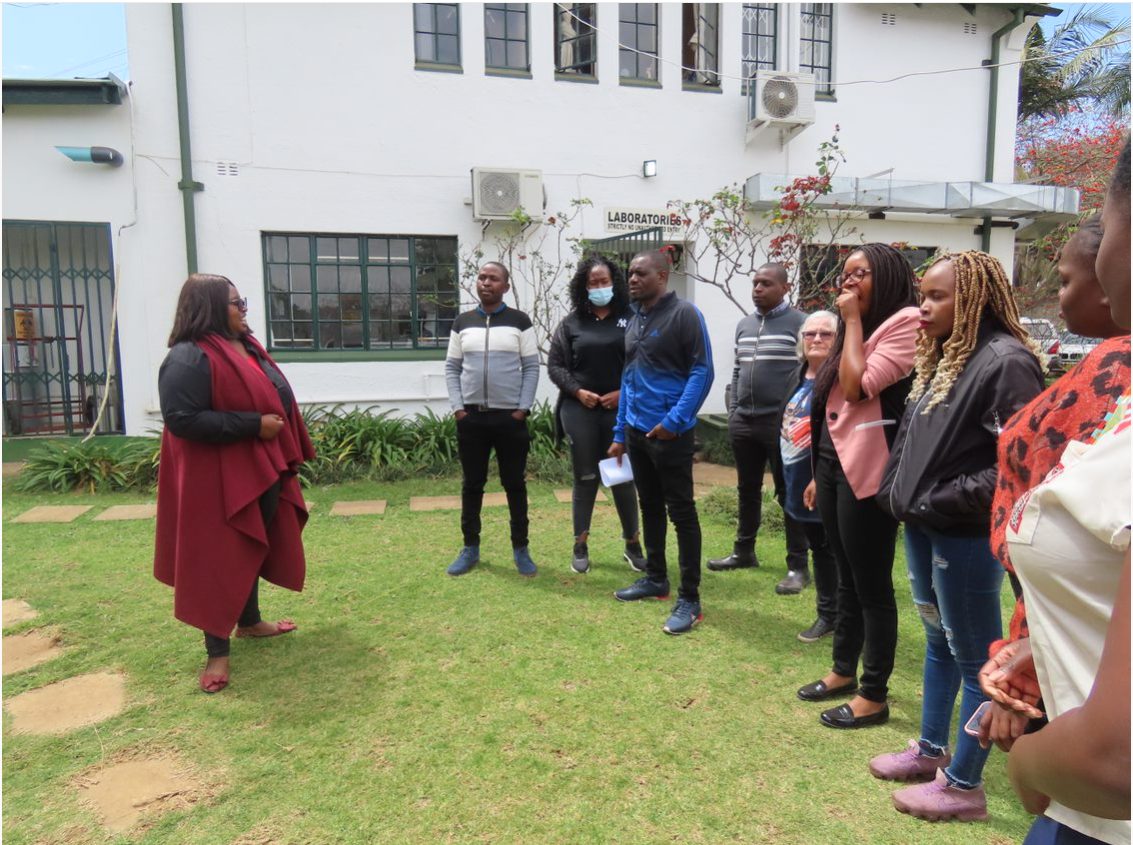
Advanced training in HIV and opportunistic infections genomics, building capacity for conduct of advanced HIV research through fellowships and mentored training.
Learn more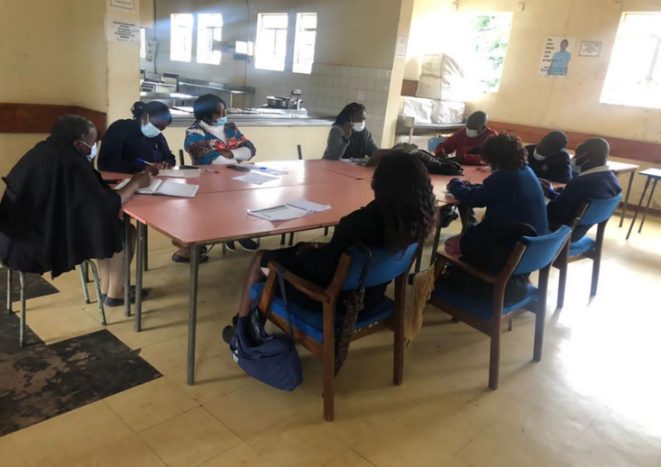
Multidisciplinary research understanding and responding to trends in the spread, impact, and control of the HIV epidemic in eastern Zimbabwe.
Learn more
A randomised controlled trial evaluating scalable active case finding for tuberculosis using point-of-care molecular diagnostics (GeneXpert).
Learn moreTrials
Clinical trials at BRTI are designed to answer important questions and determine whether new approaches are safe and effective. Since 1995, the institute has conducted clinical trials of treatments for shigellosis, tuberculosis, and HIV management, among many other conditions.
BRTI maintains an Institutional Review Board (IRB) ensuring all trials meet national and international ethical standards. External investigators may request access to the BRTI-IRB to conduct studies under established policies and procedures.
CHIEDZA, XACT-3, VITALITY, and COP 21 are among our current active clinical trials.
External investigators can request IRB review for proposed studies. See how to apply.
Our Record
Evidence to Practice
The main role of BRTI is to provide the infrastructural support that researchers need to become effective in influencing policy. Research findings from BRTI studies have informed national HIV and TB control programmes, laboratory standards, and youth health service delivery models.
The Manicaland HIV Project has generated landmark epidemiological data used by policymakers across Southern Africa, while the CHIEDZA trial is shaping youth-friendly health service delivery in Zimbabwe and beyond.
Every BRTI research project provides opportunities for local capacity building at individual, institutional, and national levels. Through CREATE, SOFAR, TESA, and D43 programmes, the institute has trained hundreds of researchers at postgraduate and postdoctoral levels.
Laboratory systems strengthening under PEPFAR has improved diagnostic access for millions of Zimbabweans, while genomics training workshops build the next generation of molecular scientists.
Collaborate with BRTI on studies, clinical trials, and capacity building that improve health outcomes across Africa.