CHIEDZA Trial
A cluster-randomised trial determining the impact of community-based integrated HIV and sexual and reproductive health services for youth on health outcomes.
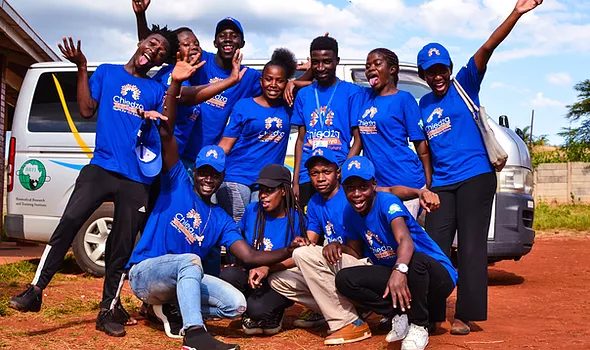
Community-based interventions to improve HIV outcomes in young people: a cluster-randomised trial in Zimbabwe. Adolescents and young people fare disproportionately poorly across the HIV care continuum. Undiagnosed HIV is substantially more common in this age group, coverage of and adherence to antiretroviral therapy is lower, and virological outcomes are worse.
Aim
The trial sets out to determine the impact of an integrated community-based package of HIV services, combined with sexual and reproductive health services and general health services, on population-level HIV viral load among adolescents and young people aged 16 to 24 in a high-prevalence setting.
Design
CHIEDZA is a two-arm cluster-randomised trial in 24 clusters, randomised 1:1 to standard of care or to the intervention package. The intervention runs for two years in 12 clusters, each with a population of about 2,500 adolescents and young people.
The community package includes:
- HIV testing and counselling
- Antiretroviral therapy delivery
- Community adolescent treatment supporters and mobile health tools for adherence support
- Condoms, menstrual hygiene management, treatment for sexually transmitted infections, and contraception
- Referral for voluntary medical male circumcision
- Risk-reduction counselling and general health information
Outcomes
Outcomes are measured at population level through a community cross-sectional survey two years after the intervention starts. The primary outcome is population-level HIV viral load among adolescents and young people.
The survey also follows the care cascade:
- The proportion living with HIV who know their status
- The proportion who know their status and are taking antiretroviral therapy
- The proportion on therapy who are virally suppressed
Sexual and reproductive health knowledge, risk, and behaviour are assessed alongside the HIV outcomes.
Who took part, and where
The end-line survey recruits 1,000 people aged 18 to 24 in each cluster, 24,000 in total. The study runs in three provinces: Harare, Mashonaland East, and Mashonaland West. The full study was planned over four years and is funded by the Wellcome Trust.
Related work
The same investigators produced Chiedza’s Song, a film about growing up with HIV in Harare, built around the earlier ZENITH study rather than this trial. ZENITH, led by Professor Rashida Ferrand at BRTI and the London School of Hygiene & Tropical Medicine, found a two percent prevalence among 8 to 18 year olds, with about half of the young people who were living with HIV unaware of their status. The film was shown in community halls in the neighbourhoods where ZENITH took place, and a schools pack was developed with the Ministry of Education.
More in HIV Research
-
D43 ATCHIVR Programme
Advanced training in HIV and opportunistic infections genomics, building capacity for conduct of advanced HIV research through fellowships and mentored training.
-
Manicaland HIV Project
Multidisciplinary research understanding and responding to trends in the spread, impact, and control of the HIV epidemic in eastern Zimbabwe.