D43 ATCHIVR Programme
Advanced training in HIV and opportunistic infections genomics, building capacity for conduct of advanced HIV research through fellowships and mentored training.
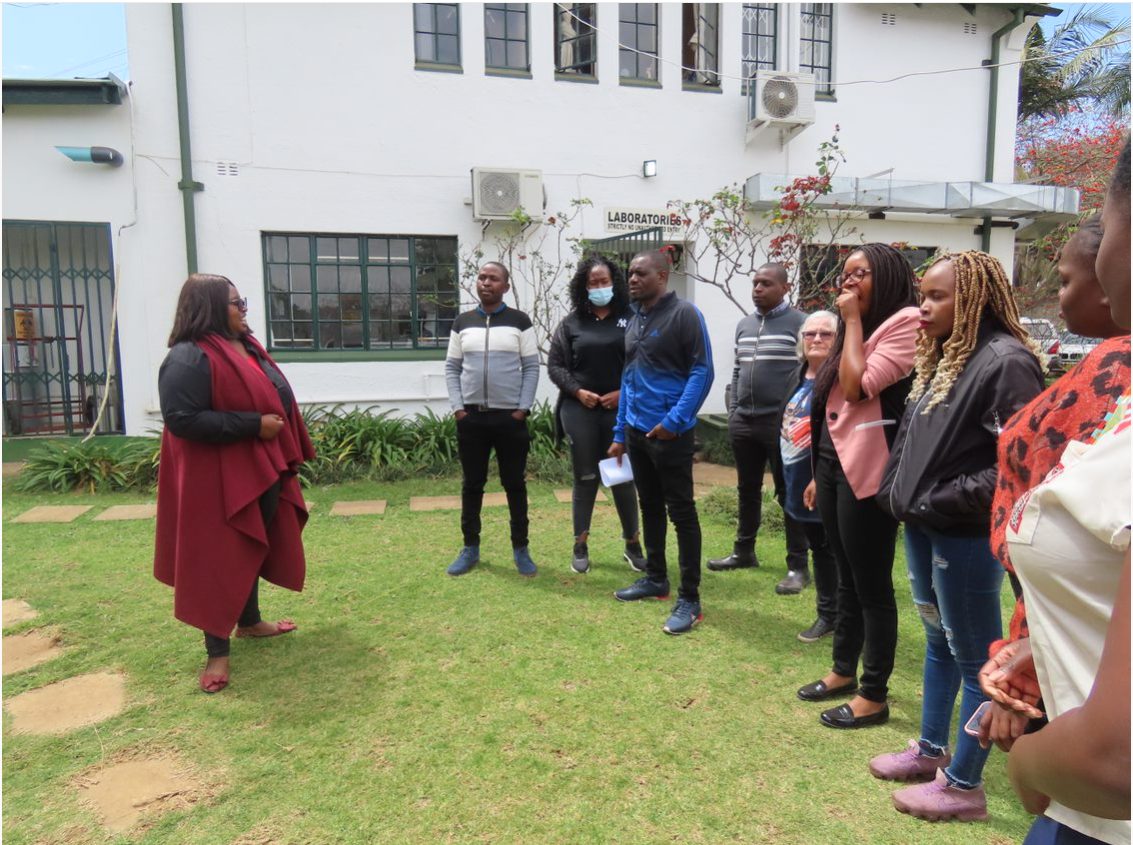
ATCHIVR (Advanced Training in Community-based HIV Research) is BRTI’s NIH D43 training programme. Its goal is to strengthen interdisciplinary academic research capacity in Zimbabwe so that scientists here can lead community-based HIV research, using genomics, bioinformatics, biostatistics, and data science to study behavioural and biological interventions for prevention and treatment of HIV and opportunistic infections.
What the programme builds
The programme treats community-based HIV research as work that depends on those analytical skills. Training is organised so fellows can use them on studies that matter in Zimbabwe, rather than only in coursework.
The programme has three strands:
- Short courses in research skills
- Doctoral-level mentored research
- Postdoctoral training aimed at institutional capacity, so departments can keep doing this work after a fellowship ends
Fellowships go to outstanding candidates for pathogens genomics training. The multidisciplinary programme team is led by Professor D. Katzenstein and Dr Shungu Munyati. Calls are also announced through the programme office at BRTI, including postdoctoral fellowships sponsored by the Fogarty International Center of the U.S. National Institutes of Health.
Why it sits at BRTI
BRTI’s role is to give researchers the infrastructure, mentorship, and laboratory setting to do advanced HIV work in-country. ATCHIVR is the training route into that work: genomics and data science applied to community studies of HIV and opportunistic infections, with fellows based at the institute rather than trained entirely abroad.
More in HIV Research
-
CHIEDZA Trial
A cluster-randomised trial determining the impact of community-based integrated HIV and sexual and reproductive health services for youth on health outcomes.
-
Manicaland HIV Project
Multidisciplinary research understanding and responding to trends in the spread, impact, and control of the HIV epidemic in eastern Zimbabwe.